

The Urology Place

Understanding Bladder Cancer

Your Health Matters—Seek Guidance Early

Bladder cancer is a serious condition that affects the urinary system. Recognizing its symptoms and understanding risk factors can lead to early diagnosis and effective treatment.

Understanding risks

Risk Factors for Bladder Cancer

Smoking

Cigarette smoking is the most significant risk factor for bladder cancer. The harmful chemicals in tobacco can damage the bladder lining, increasing the likelihood of cancer development.

Chemical Exposure

Prolonged exposure to certain industrial chemicals, such as aniline dyes and benzidine, can elevate the risk of bladder cancer, particularly in occupations involving these substances.

Chronic Inflammation

Conditions that cause chronic irritation or inflammation of the bladder, such as recurrent urinary tract infections or bladder stones, may contribute to cancer risk over time.

Age

Bladder cancer risk increases with age, with most cases diagnosed in individuals over 55. Regular check-ups become increasingly important as you age.

Gender

Men are more likely than women to develop bladder cancer, with a ratio of about 3:1. Understanding this can help in early detection and prevention efforts.

Family History

A family history of bladder cancer can increase your risk. If you have relatives who have been diagnosed, it's essential to discuss this with your healthcare provider.

Understanding Bladder Cancer Diagnosis

Diagnosing bladder cancer involves a series of steps to ensure accuracy. Initially, your doctor will review your medical history and conduct a physical examination. If bladder cancer is suspected, they may recommend tests such as urine tests to check for blood or cancer cells, imaging tests like CT scans or ultrasounds to visualize the bladder, and a cystoscopy, where a thin tube with a camera is inserted into the bladder for a closer look. Each of these steps is crucial in forming a complete picture of your health and determining the best course of action.

  • A simple procedure where a doctor uses a thin, flexible tube with a camera (called a cystoscope) to look inside your bladder and urethra. It helps find problems like tumors, bleeding, or infections

    • UrinalysisChecks your urine for blood or signs of infection.
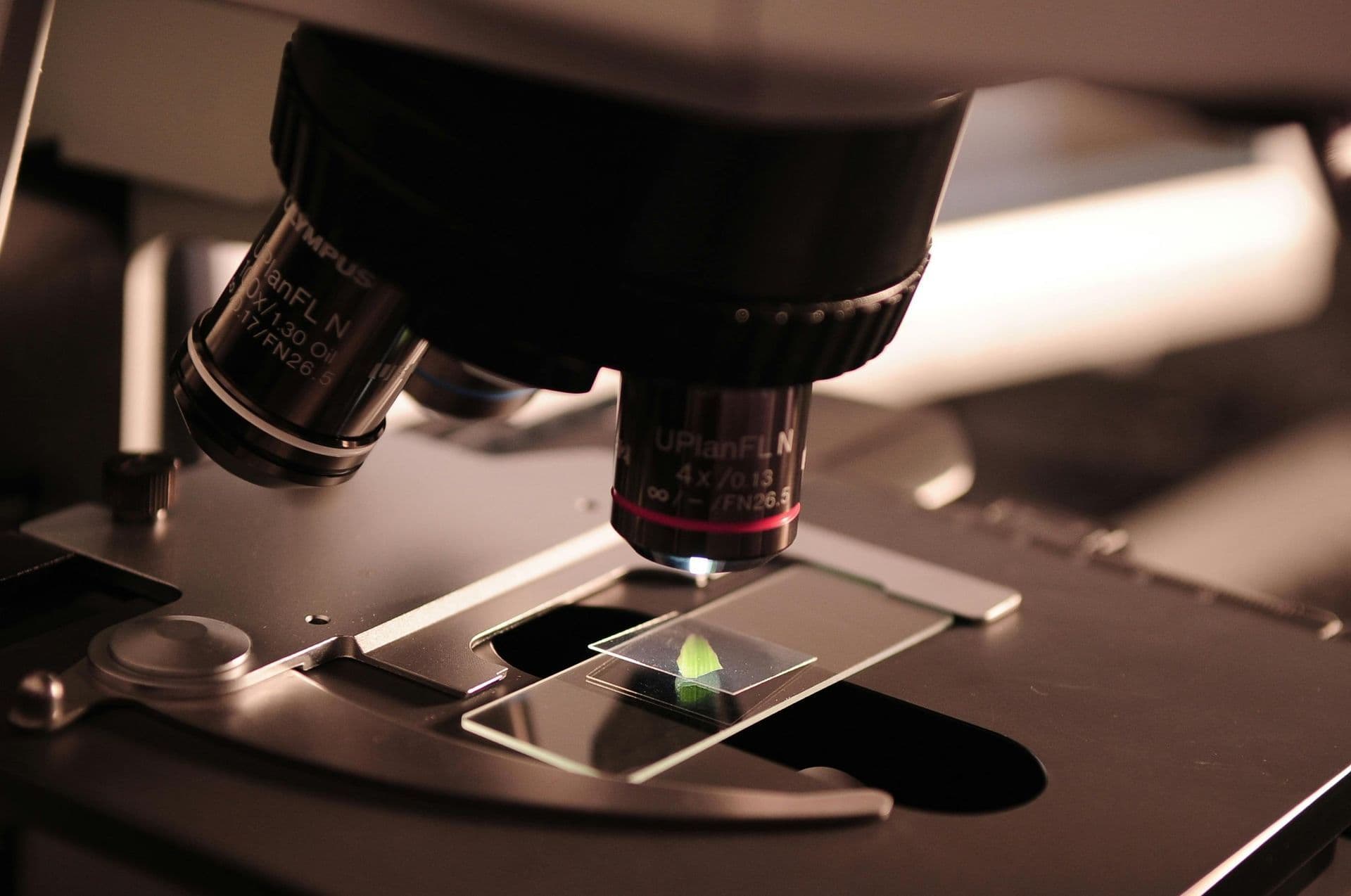
    • Urine CytologyA lab looks at your urine under a microscope to find cancer cells.
    • CystoscopyA thin tube with a camera is used to look inside your bladder.
    • BiopsyDuring a cystoscopy, the doctor may take a small tissue sample to check for cancer.
    • Imaging TestsCT scan, MRI, or ultrasound helps show the bladder and nearby organs to see if cancer has spread.
  • Staging and Grading

    Doctors find out how far the cancer has spread (stage) and how aggressive it is (grade). This helps decide the best treatment.

    Discussing Treatment Options

    You'll meet with your care team to talk about treatments. These may include surgery, chemotherapy, immunotherapy, or a mix.

    Creating a Treatment Plan

    A personalized plan is made based on your health, cancer stage, and preferences.

    Second Opinions

    You can ask another specialist to review your diagnosis and plan if you want reassurance.

    Support and Planning

    Our team may offer support for nutrition, quitting smoking, mental health, and practical help like scheduling and finances.

    Regular Monitoring

    Even after treatment starts, you'll have regular check-ups and tests to watch your progress.

Understanding hematuria

Micro Hematuria vs. Gross Hematuria: What You Need to Know

Micro Hematuria

Micro hematuria refers to the presence of small amounts of blood in the urine, often detectable only through lab tests. While it may not be visible to the naked eye, it can indicate underlying health issues that should be evaluated by a urologist.

Gross Hematuria

Gross hematuria is characterized by visible blood in the urine. This condition can be alarming and may signal serious health concerns, including bladder cancer. If you notice blood in your urine, it's crucial to seek medical attention promptly.

Understanding your options

Treatment Options for Bladder Cancer

At The Urology Place, we understand that a bladder cancer diagnosis can be overwhelming. That's why we offer a range of treatment options tailored to your specific needs. From minimally invasive procedures to advanced therapies, our team is here to guide you every step of the way. We believe in a personalized approach, ensuring that you feel informed and empowered in your treatment journey.

Surgery

Surgery is often the first line of treatment for bladder cancer. Depending on the stage and grade of the cancer, options may include transurethral resection (TURBT) to remove tumors or more extensive procedures like cystectomy, which involves removing part or all of the bladder.


Chemotherapy

Chemotherapy uses powerful medications to target and kill cancer cells. It can be administered before surgery to shrink tumors or after to eliminate any remaining cancer cells. Our specialists will work with you to determine the best regimen for your situation.

Immunotherapy

Immunotherapy harnesses your body's immune system to fight cancer. This innovative treatment can be particularly effective for certain types of bladder cancer, helping to boost your immune response and improve outcomes.

Radiation Therapy

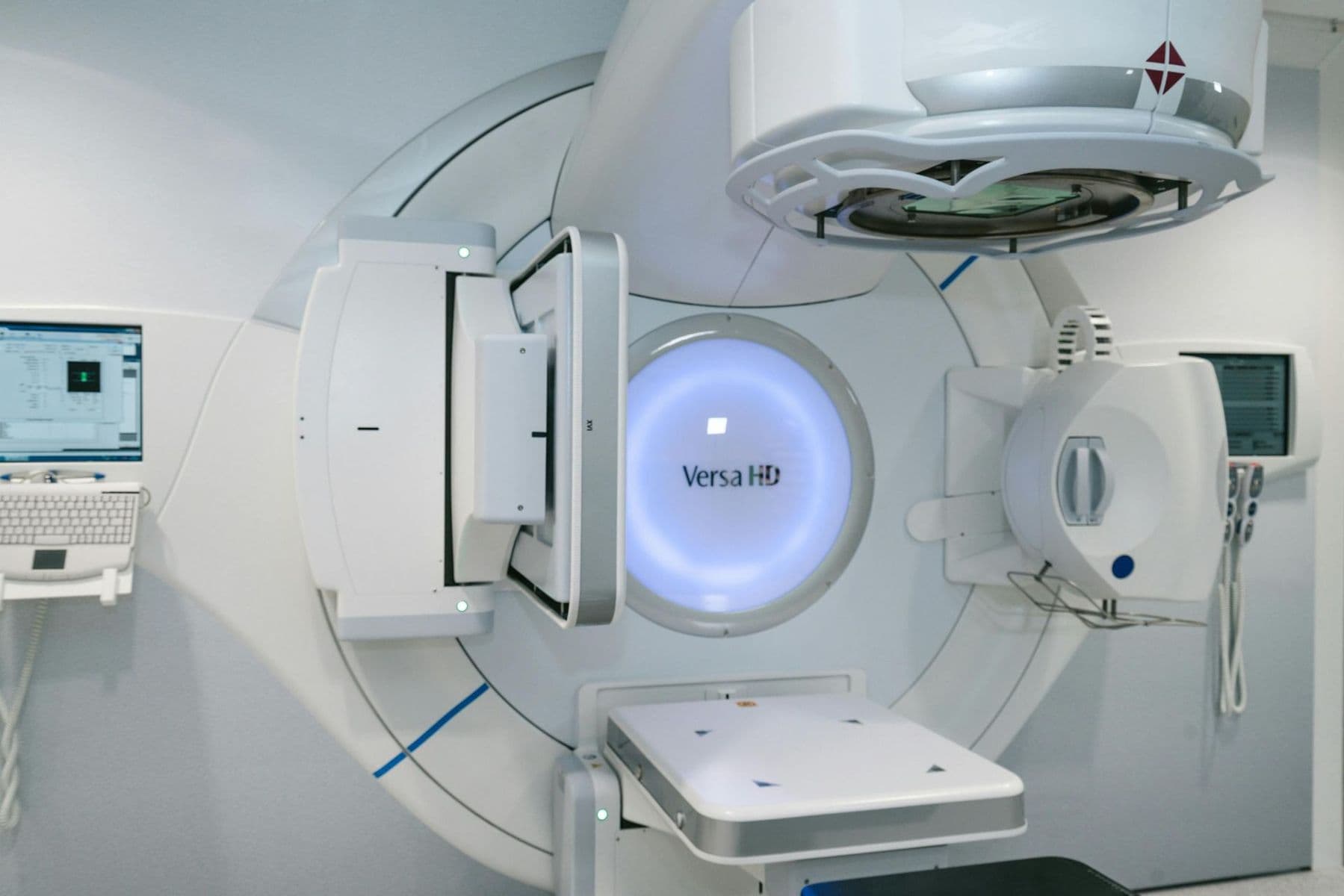
Radiation therapy uses high-energy rays to target and destroy cancer cells. It may be used in conjunction with other treatments or as a standalone option, especially for patients who are not candidates for surgery.

Understanding clinical trials

Exploring New Frontiers in Bladder Cancer Treatment

At The Urology Place, we offer expert bladder cancer care and stay at the forefront of research. Dr. Naveen Kella and our team can check if you're eligible for advanced diagnostic tools or clinical trials as part of ongoing studies.

What Are Clinical Trials?

Clinical trials are research studies that test new treatments and therapies for bladder cancer. They help us understand how effective these options are and can lead to breakthroughs in patient care.

Why Participate?

Participating in a clinical trial can give you access to cutting-edge treatments and contribute to medical research that may benefit future patients. Your involvement is crucial in advancing bladder cancer care.

Get Expert Guidance on Bladder Cancer

If you or a loved one are facing a bladder cancer diagnosis, don't go through it alone. Schedule an appointment at The Urology Place for a personalized consultation. Our expert team is here to guide you through your diagnosis, treatment options, and any questions you may have—with care and support every step of the way.

Contact Us For Bladder Cancer

Tell us a bit about what you’re looking for and our team will reach out shortly.

I agree to receive SMS communications from The Urology Place regarding appointment reminders, scheduling, clinical instructions, and billing. You may opt out by replying STOP or request more information by replying HELP. Message frequency may vary. Message and data rates may apply. You may review our Privacy Policy here: https://www.theurologyplace.com/privacy-policy to learn how your data is used.

Google reCAPTCHA v3 is temporarily disabled for testing via NEXT_PUBLIC_DISABLE_CONTACT_RECAPTCHA=true.

This form is for non-emergency questions only. If you are experiencing a medical emergency, call 911. For urgent matters, you can also reach us at 210-617-3670.